A Meaningful Tribute for Every Situation
However you choose to remember them, a memorial wall brings loved ones together to share and preserve what mattered most.
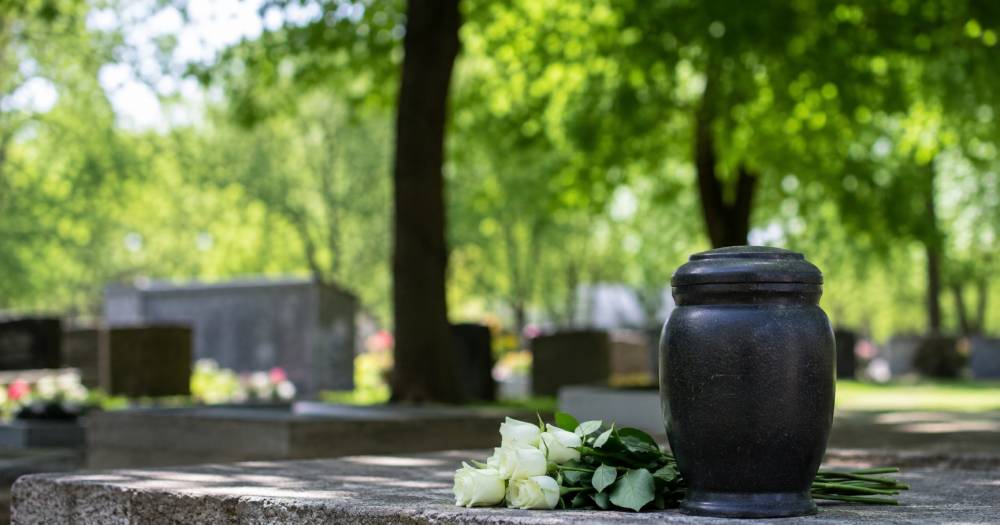
An interment of ashes is a short, meaningful ceremony where cremated remains are placed in a final resting place, such as a cemetery grave, columbarium niche, memorial garden, family plot, or another approved location. The right words do not need to be elaborate. They simply need to help family and friends pause, honor the loved one’s life, and mark the moment with respectful care.
For many families, this moment can feel overwhelming because it is both practical and emotional. You may be handling your loved one’s ashes, confirming cemetery rules, inviting guests, and trying to find powerful words for a deeply personal goodbye.
This guide walks through what to say at an interment of ashes, how to structure the interment ceremony, and how to prepare for related ash scattering ceremonies, water ceremonies, casting ceremonies, and other meaningful ways to say farewell.
Quick Overview of the Interment of Ashes
An interment of ashes places cremated remains in a permanent resting location. This is different from scattering ashes, which releases cremated ashes into nature, water, wind, or another meaningful location.
Before planning the service, confirm whether the family will be interring ashes or holding a scattering ceremony. The words you use may change depending on whether the ashes are being placed, buried, released, or divided among keepsakes.
Also decide who will lead the ceremony. A minister, celebrant, funeral director, family member, or close friend can lead. Families can lead their own interment ceremony without a minister if that feels right.
Planning the Interment Ceremony
Start by confirming the practical details. Obtain the cremation certificate, cemetery paperwork, and any documents required by the funeral home, cemetery, or local agencies.
If the ashes will be placed in a columbarium or burial plot, reserve the niche, grave, or final resting place before inviting guests. Many cemeteries have specific rules about burying ashes, urn types, markers, service timing, and staff presence.
Schedule the date and time with cemetery staff, memorial garden coordinators, or the relevant property owner. If the interment will happen on private land, written permission is usually required.
Assign someone to lead the interment ceremony. This may be the person most comfortable speaking, not necessarily the closest family member. The lead person can welcome guests, introduce readings, guide the moment of silence, and speak the final farewell line.
Handling Your Loved One’s Ashes During the Service
The ashes are usually placed in an urn before interment. Decide ahead of time who will carry the urn, where it will be placed, and whether it will be displayed during the memorial service.
Designate one person to carry your loved one’s ashes. This prevents uncertainty during the ceremony and gives the moment a sense of calm.
Choose a secure place for the urn during readings, prayers, poems, or personal reflections. If the service is outdoors, use a stable table or pedestal away from wind, uneven ground, or heavy foot traffic.
You may also decide whether family members will take turns holding the urn, touch the urn briefly, or simply stand near it. There is no single rule. Choose what feels respectful and manageable.
Invite Guests And Set A Dress Code
An interment ceremony is often smaller than a funeral service. Many families invite close family, a close friend or two, and other members of the immediate circle.
Create a guest list based on personal preference, space, and emotional comfort. You do not need to invite everyone who attended the larger celebration or memorial service.
Send invitations with clear location, date, time, parking instructions, and any cemetery directions. If the interment is at a large cemetery, include the section, lot, columbarium name, or meeting point.
State a modest dress code on the invitation if helpful. You might say “simple respectful attire,” “outdoor-appropriate clothing,” or “comfortable shoes recommended.” If the service is at a natural burial ground, memorial garden, private property, or waterfront, practical shoes may matter more than formal clothing.
Legal And Practical Steps For Cremated Ashes
Before interring ashes or spreading ashes, check local laws. Rules vary by country, state, city, cemetery, park, waterway, and landowner.
Confirm cemetery rules for cremated remains. Many cemeteries allow ashes to be interred in existing graves with permission, placed in a new burial plot, or stored in a columbarium niche. Fees vary based on location and type of service.
If using private property, obtain written permission from the property owner. If using public spaces, uncontrolled public lands, a sacred river, a beach, a lake, or scattering gardens, contact local agencies before the ceremony.
A Meaningful Tribute for Every Situation
However you choose to remember them, a memorial wall brings loved ones together to share and preserve what mattered most.
A natural burial ground may require a biodegradable urn. A water ceremony may require a water soluble urn. Ask these questions early so the ceremony is not disrupted later.
Sample Words And Structure For An Interment Ceremony
An interment ceremony usually lasts 15 to 30 minutes. Short is completely appropriate. A simple structure can give the moment more weight without making it feel too formal.
A basic structure might include:
-
Welcome
-
Reading, prayer, or poem
-
One or two brief personal memories
-
Moment of silence
-
Placement or release of ashes
-
Closing farewell
The most meaningful words are often simple and sincere. You do not need to explain an entire person’s life. You only need to help everyone pause and honor this transition.
Opening Words For An Interment Ceremony
You can begin with something direct and gentle:
“Thank you for being here today as we gather to honor [Name] and place their ashes in this final resting place.”
Or:
“We are here today to remember [Name], to give thanks for their life, and to commit their ashes to this place with love and respect.”
For non religious ceremonies, you might say:
“We gather here in love, memory, and gratitude. Today we honor [Name]’s life and the place they will continue to hold in our hearts.”
For religious or traditional comfort, you may include themes of rest, spiritual return, or peace, depending on the family’s beliefs.
Readings, Prayers, Poems, And Reflection
Interment ceremonies can include readings, poems, prayers, or personal reflections. These can come from scripture, literature, spiritual writings, favorite songs, or original words written by family members.
Choose one short reading rather than several long ones. A poem or quote can capture the emotion of the moment when you do not know what else to say.
If several people want to speak, ask them to keep personal stories brief. Around 60 to 90 seconds is often enough.
A moment of silence or quiet reflection can be more powerful than words. Silence gives each person space to remember privately.
Sharing Personal Memories Aloud
Personal stories ground the ceremony in the unique relationship people had with the loved one. They make the service feel specific, not generic.
Choose one to two memories at most for a short interment ceremony. If you want more people to share, consider a separate memorial service, life celebration, or gathering afterward.
A simple memory structure works well:
“I remember when…”
“What I will always carry is…”
“One thing [Name] taught me was…”
“One small detail I never want to forget is…”
These personal reflections do not need to be polished. The sincerity is what matters.
Personal Lines To Address Your Loved One
Some people want to speak directly to the person who died. This can be deeply moving during an ashes ceremony.
Start by addressing them by name:
“Mom, we love you, and we miss you.”
Then say one thing you will deeply miss:
“I will miss your laugh, your advice, and the way you made everyone feel welcome.”
Recall one vivid memory:
“I will always remember sitting at your kitchen table, listening to stories while you made tea.”
Offer one sentence of thanks or goodbye:
“Thank you for loving us so well. We carry you with us.”
A personal line does not need to be long. A simple farewell can hold more than a long speech.
Phrases For An Ash Scattering Ceremony And Casting Ceremony
Ash scattering ceremonies are different from interment because they focus on release. Phrases often refer to wind, water, earth, memory, and freedom.
You might say:
“As we release these ashes, we honor a life that touched us deeply.”
Or:
“We return these ashes to the wind and earth, trusting that love remains with us.”
Or:
“May this place hold part of [Name]’s memory, as we hold their spirit in our hearts.”
If using a casting ceremony, where ashes are gently cast into the wind, remind participants to stand downwind of the release. This is practical, but it also helps keep the moment calm.
Scatter ashes slowly. Do not rush. Let the physical act become part of the quiet reflection.
Words For Interring Ashes In A Grave Or Columbarium
When placing an urn in a grave, burial plot, family plot, or columbarium niche, the words can focus on rest, remembrance, and continuity.
You might say:
“We place [Name]’s ashes here with love, gratitude, and respect.”
Or:
“This is a final resting place for [Name]’s cremated remains, but their memory remains with us wherever we go.”
Or:
“We commit these ashes to this place, and we carry [Name]’s love forward in our lives.”
After the urn is placed, invite each attendee to step forward if desired. They may touch the urn, place a flower, bow their head, or simply pause.
Close with a short blessing or sentence:
“May [Name] rest in peace, and may we remember them with love.”
Words For A Water Ceremony
A water ceremony can be meaningful when a person loved the ocean, lakes, rivers, sailing, fishing, swimming, or a specific waterfront location.
If using a water soluble urn, the words may include release and return:
“We release [Name]’s ashes to the water, remembering the life they lived and the love they gave.”
Or:
“May these waters carry our farewell with gentleness. May our memories remain steady.”
Confirm local rules before planning a water ceremony. Some places require permits or have restrictions about what can be placed in the water.
Keep the words brief so the family can focus on the moment.
A Meaningful Tribute for Every Situation
However you choose to remember them, a memorial wall brings loved ones together to share and preserve what mattered most.
Alternatives: Ash Scattering Ceremonies And Other Options
Not every family chooses a single final resting place. Many families choose different options based on geography, faith, family needs, or personal significance.
Some families divide ashes among family keepsakes. Others place a portion in a burial plot and keep a portion in memorial jewelry. Some choose a memorial garden, scattering gardens, natural burial ground, or private land with permission.
Cremation ashes can also be turned into memorial jewelry, glass art, keepsake urns, or other small tokens. These options may offer daily closeness.
If family members disagree, slow down. The decision can wait. It is better to pause than rush into something that causes pain later.
Practical Tips For Delivering The Speech
Write a short script. Even if you are comfortable speaking, grief can make familiar words disappear.
Rehearse once aloud. You do not need to memorize it. Rehearsal simply helps your voice know the path.
Bring printed notes. Phones can lock, lose battery, or feel awkward in a cemetery setting. A small printed card is easier to manage.
Ask a friend, funeral director, celebrant, or family member to read if your voice fails. This is common and completely acceptable.
Speak slowly. Pause often. No one will mind.
Sample Short Interment Script
Here is a simple script you can adapt:
“Thank you for being here as we gather to remember [Name]. Today we place their ashes in this final resting place with love and gratitude.
[Name] lived a life filled with [one or two qualities: kindness, humor, devotion, courage, service]. We each carry memories of them, and those memories remain part of us.
I invite us now into a short moment of silence to remember [Name] in our own way.
[Pause.]
As we place this urn, we give thanks for [Name]’s life. May they rest in peace, and may we honor their memory by carrying forward the love they gave us.”
This is enough. You can add a reading, prayer, or personal memory if desired.
Sample Ash Scattering Script
Here is a simple script for scattering ashes:
“Today we gather to honor [Name] and release their ashes in a place that holds meaning.
As we scatter these ashes, we remember the person they were, the life they lived, and the love they shared.
May the wind carry this farewell gently. May this place remind us of [Name]’s spirit, and may their memory remain with us always.
We now take a quiet moment to say goodbye.”
Then proceed slowly, checking wind direction before releasing the ashes.
Sample Columbarium Placement Script
For a columbarium niche, you might say:
“We gather here to place [Name]’s ashes in this columbarium, a fixed location where family and friends may return in remembrance.
This niche will hold their cremated remains, but it cannot contain the fullness of their life, their love, or the stories we carry.
As we place the urn, we give thanks for [Name] and for the ways they shaped us.
May this place be one of peace. May their memory remain a blessing.”
This script works for religious, spiritual, or non religious ceremonies with small changes.
Final Touches For The Ashes Ceremony
Choose one short reading or poem. It can be formal, spiritual, humanist, or personal.
Select one meaningful song for reflection. Favorite songs often say what family members cannot.
Provide tissues and seating for older guests. Even a 15 minute service can feel long for someone standing in grief.
Bring water, printed directions, and a small table if needed. If outdoors, consider shade, wind, and uneven ground.
If the ceremony is part of a larger celebration, tell guests what happens next. A simple line like “Afterward, we’ll gather at the house to share stories” helps people know how to move through the day.
Final Thoughts On Finding The Right Words
When deciding what to say at an interment of ashes, remember that the right words are usually simple. They focus on gratitude, cherished memories, love, and farewell.
You do not need perfect phrasing. You do not need a long eulogy. You do not need to carry the entire weight of your loved one’s life in one speech.
A few sincere sentences, a moment of silence, and a respectful placement or release of ashes can become a fitting tribute.
The ceremony is not only about where the cremated remains go. It is about helping family and friends mark a transition, honor a loved one’s memory, and leave with a little more peace.